Light Effect by Atelier RoCas – What Does It Actually Mean?
What are so-called light effect embroidery files by Atelier RoCas? We explain the principle, why dark fabrics are essential, and how the right thread choices create impressive 3D effects.
In embroidery, some techniques immediately catch the eye. Others reveal their full impact only at a second glance. One of these techniques is the so-called light effect by Atelier RoCas.
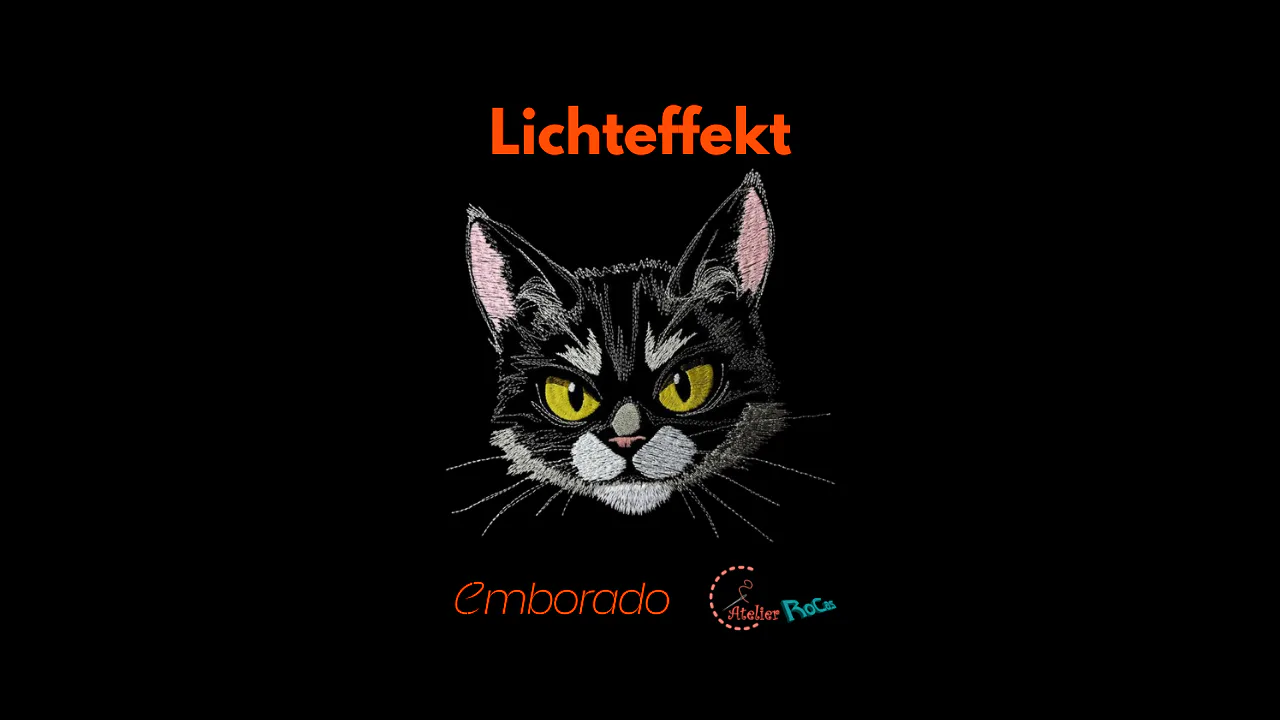
You may have already seen such designs: expressive, dimensional, and full of depth. Surprisingly, they often use less stitched surface than traditional full-fill embroidery files.
But what exactly does “light effect” mean in embroidery?
What Is a Light Effect Embroidery File?
The term light effect is not an officially standardized technical term. Atelier RoCas has established it to describe a deliberate design principle.
With so-called light effect files, the following idea applies:
Only what lies in the light is stitched.
Shadows and very dark areas are completely omitted.
In practical terms, this means:
- Dark areas are not filled with thread
- The fabric takes over the role of shadow
- Light threads create highlights and depth
- Contrast generates a dimensional appearance
The result is a design with an almost three-dimensional character that relies heavily on light and contrast.
Why the Background Is Crucial
Since shadows are not stitched, the fabric plays a central role.
Light effect embroidery files are therefore designed specifically for dark materials.
On black or very dark fabrics:
- The fabric replaces the missing shadows
- Contours appear complete
- The intended depth effect becomes visible
On light-colored fabrics, however, the design may look incomplete or flat. The dimensional effect disappears because the necessary contrast is missing.
👉 Rule of thumb: The darker the fabric, the stronger the effect.
Choosing the Right Thread Colors 🎨
Another key factor for a successful light effect is thread selection.
Instructions often include notes such as:
- Fur light / fur dark
- Hoodie light / hoodie dark
- Feathers light / feathers dark
Sometimes a third accent color is added.
The important rule is:
👉 Choose shades from the same thread family.
For example:
- Light gray and dark gray
- Light blue and dark blue
- Beige and brown
- Yellow and orange tones for feathers
The exact color is less important than the difference in brightness. The contrast between lighter and darker shades creates a smooth light transition instead of harsh edges.
Which Designs Work Best with the Light Effect?
This technique works particularly well with motifs that naturally rely on light and structure:
- Animals with fur or feathers
- Expressive faces
- Skulls or character designs
- Motifs with clearly defined highlights
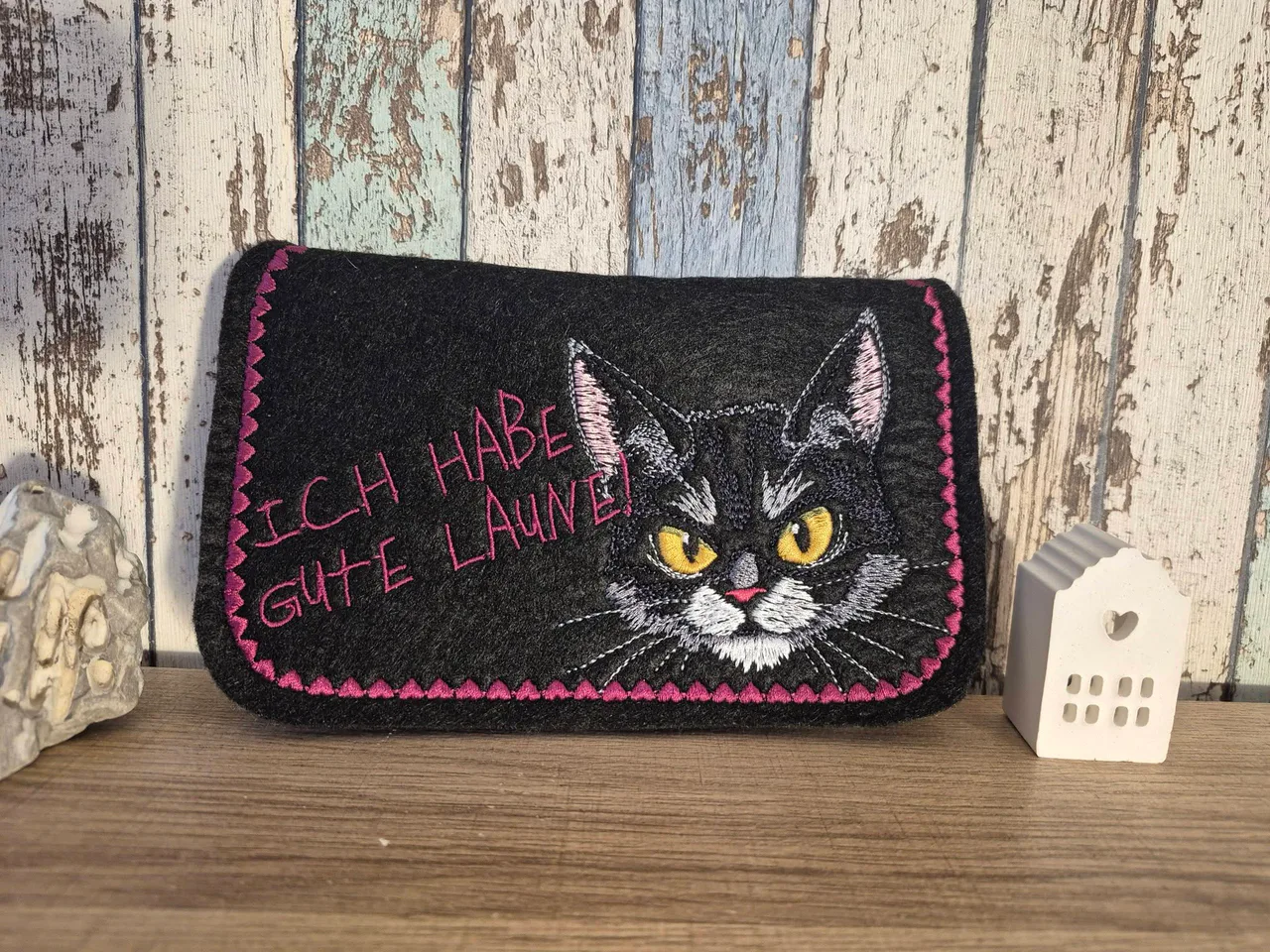
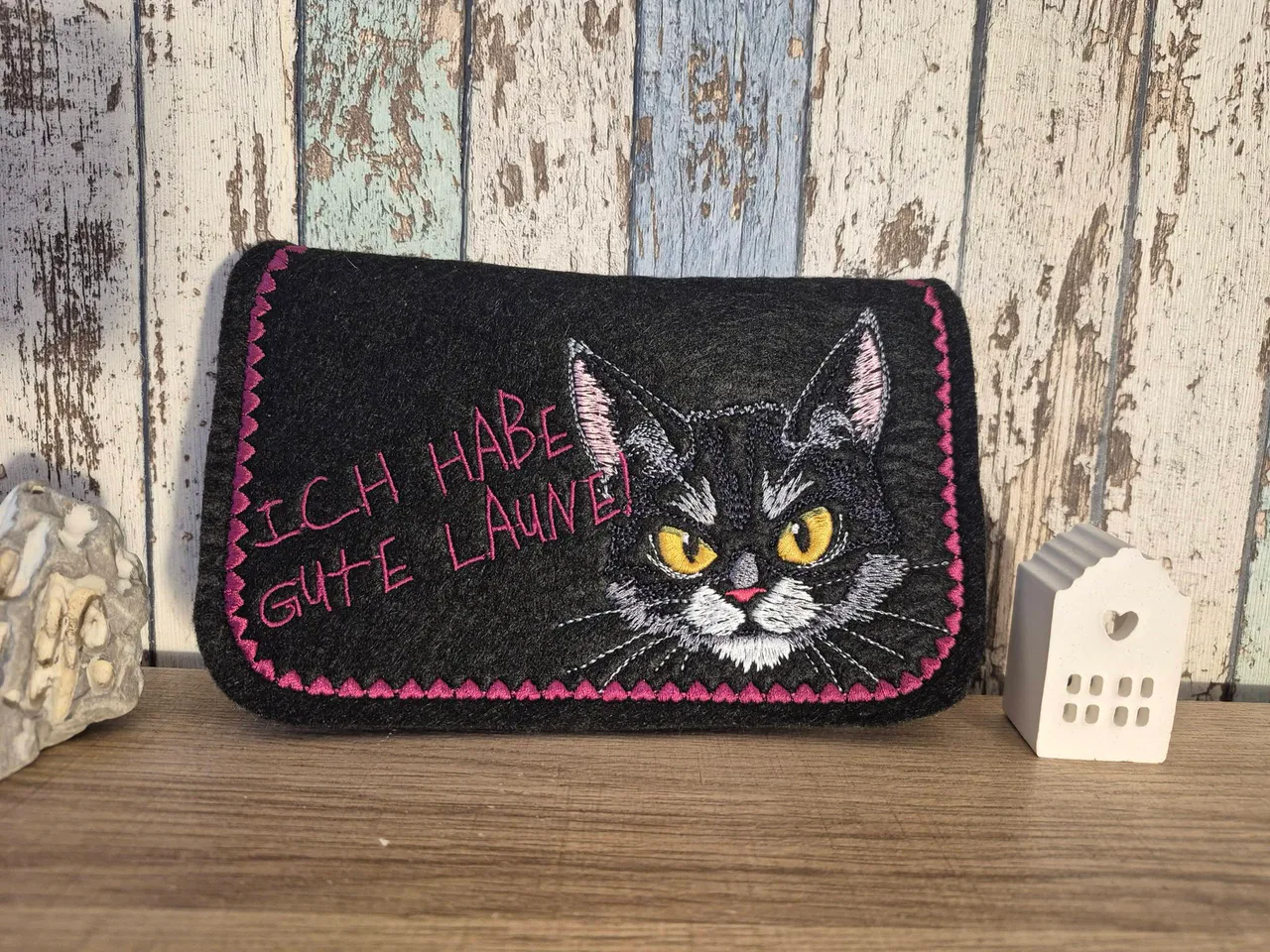
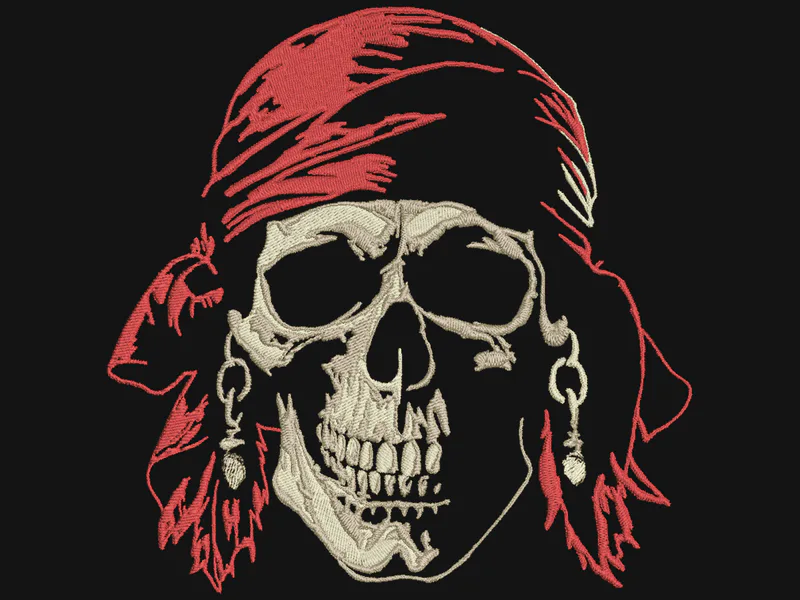
One example is the grumpy cat design by Atelier RoCas, which was previously featured as the Embroidery File of the Month on emborado. The pirate skull by Atelier RoCas is another strong example of how powerful the light effect can look on dark fabrics.
The skull design is available directly in the Atelier RoCas shop: Visit the shop.
Fewer Stitches, Stronger Impact
Light effect files may look complex, but technically they are often efficient.
Typical characteristics include:
- Reduced fill areas
- Clear stitch directions
- Precisely placed highlights
- Shorter stitching times compared to full-fill designs
They are therefore also suitable for beginners, provided that fabric and thread are chosen carefully.
Conclusion: Light Instead of Surface
The light effect is neither a coincidence nor just a trend term. It represents a design philosophy.
Instead of filling every area, it relies on contrast.
Instead of stitching shadows, it integrates the fabric.
Instead of mass, it creates impact through reduction.
When you combine dark fabrics with harmoniously graded thread shades, you can achieve designs with impressive depth and expression.